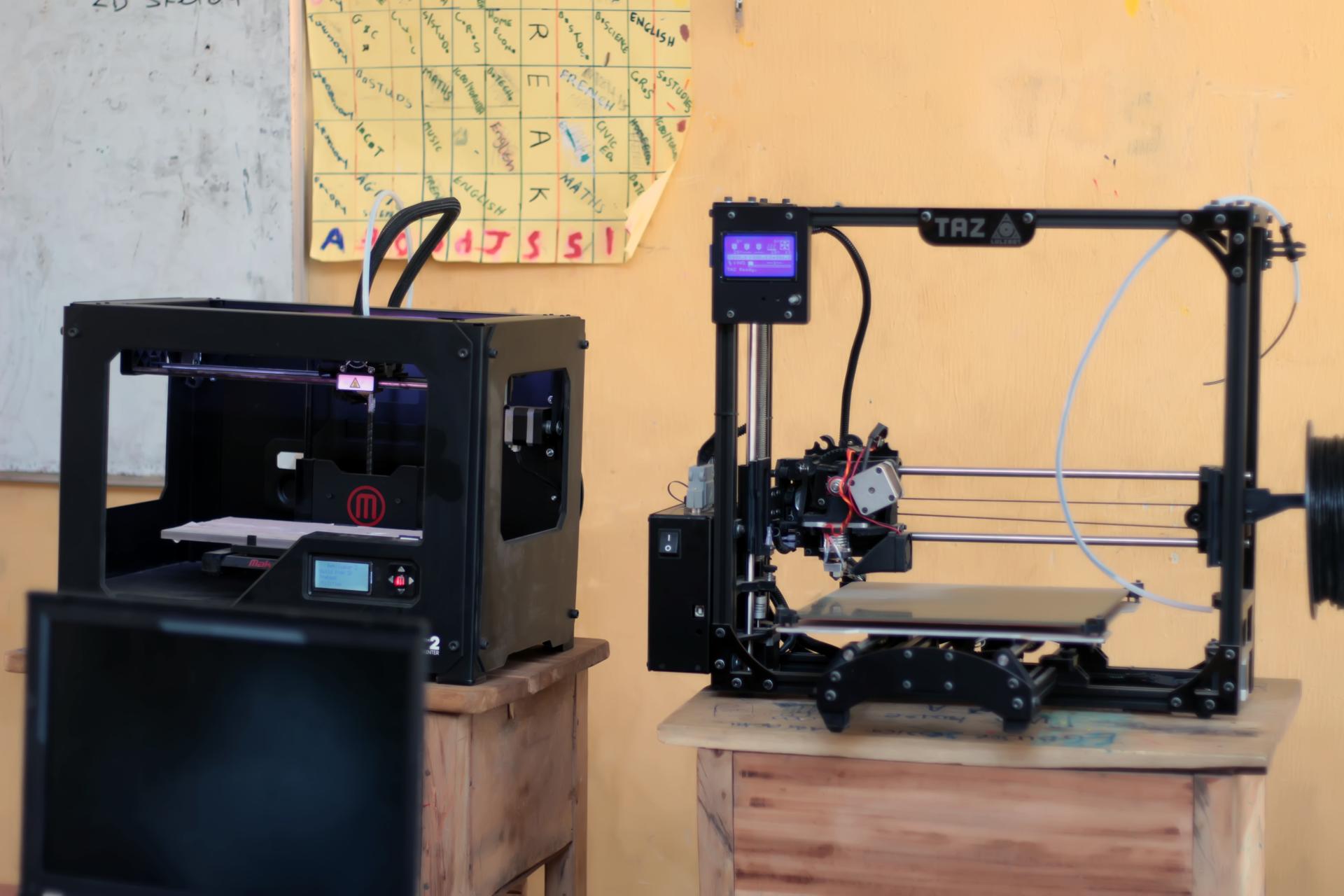
People ask us how much it costs to open a makerspace. It is the wrong question, and answering it honestly is the most useful thing we can do for anyone thinking about starting one.
Opening is the cheap part. A donor gets excited, equipment arrives, there is a ribbon and a photograph. Twelve months later the laser tube has degraded, nobody budgeted for a replacement, and the space is a room with an expensive paperweight in it.
The costs nobody plans for
Consumables are relentless. Laser tubes, printer nozzles, sandpaper, welding rods, cutting fluid, filament. These are not capital costs you pay once; they are the monthly cost of the space being used. The busier you are, the more you spend — which means success increases your burn rate.
Power is the second surprise. Grid supply is unreliable enough that you will run a generator, and a generator running a CNC and a compressor is a serious fuel line item. Solar helps with lights and laptops; it does not help with a three-phase machine.
Staff are the third and largest. A makerspace without someone competent on the floor is not a makerspace, it is a liability. You need at least one person who can induct members, spot unsafe practice and fix machines. That is a salary, not a volunteer.
What actually keeps a space open
A mix of income, and none of it glamorous. Memberships give you predictable base revenue. Paid workshops are the highest-margin thing most spaces do and cost you a weekend. Contract work — small production runs, prototyping for local businesses — is lumpy but pays well. Grants are welcome and should never be load-bearing.
If a single funder can end your organisation by changing their mind, you do not have a business model, you have a runway.
The honest advice
Start smaller than you want to. A room with three good machines that are always working beats a warehouse of broken ones. Buy the boring reliable model, not the impressive one. Budget maintenance from day one and treat it as non-negotiable.
And talk to people already doing it. We are happy to be one of them.