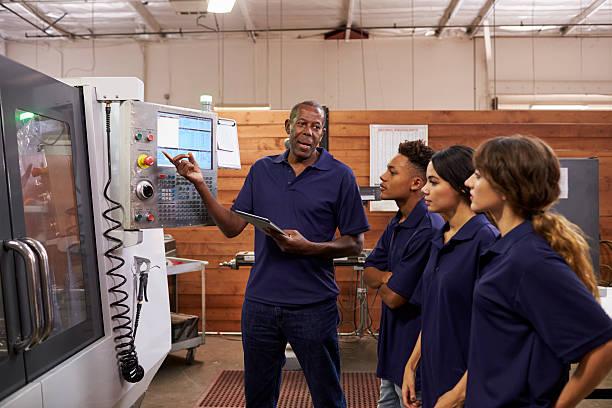
We have run school sessions for several years now. Some observations, including the uncomfortable ones.
What works
A finished object to take home. The single strongest predictor of whether a student stays engaged is whether they leave holding something they made. Not a photograph, not a certificate — an object.
Failure that is safe and quick. The first print that fails, the joint that does not fit, the circuit that does nothing: these teach more than any successful demonstration, provided the loop is short enough to try again the same day.
Teachers who participate. Sessions where the teacher makes something alongside the students go dramatically better than sessions where the teacher supervises.
What does not work
One-off visits. A single trip to a makerspace is a nice day out and changes almost nothing. Sustained contact over a term changes a great deal. We now decline most one-off requests and say why.
Equipment donated without training. We have seen 3D printers sitting boxed in school store rooms for years because nobody was trained and nobody owned the problem. Donating hardware without a trained, named person is not generosity; it is disposal.
Age-inappropriate ambition. Fifteen-year-olds do not need a CNC router. They need to cut, measure, join, and see a result.
The constraint nobody mentions
Curriculum time. Teachers are measured on examination outcomes, and hands-on work is not examined. Until that changes, making in schools depends on individual teachers doing it out of conviction and on their own time. That is not a foundation you can scale on.
What we are trying
Training teachers rather than teaching students. It reaches more people, it lasts beyond our involvement, and it puts the expertise where it needs to live. Slower and far less photogenic.
If you teach and want to talk about this, get in touch.