Sourcing equipment locally is its own skill, and an expensive one to learn by mistake. Some of what we have learned, offered so you do not have to repeat it.
Counterfeits are the default assumption
Major tool brands are counterfeited comprehensively, and the fakes have improved. Packaging, holograms and serial numbers are all reproduced. Price is your best signal: a well-known angle grinder at a third of its usual price is not a bargain, it is a different product wearing the same name.
The practical failure mode is not that a fake tool works badly. It is that it works fine for six weeks and then fails under load, which with a grinder or a chuck is a safety event.
Buy the boring brand
Unglamorous industrial brands are counterfeited less because there is less margin in it. They are usually better value anyway. We would rather run a mid-range machine that parts are available for than a premium one nobody can service.
Spares before specification
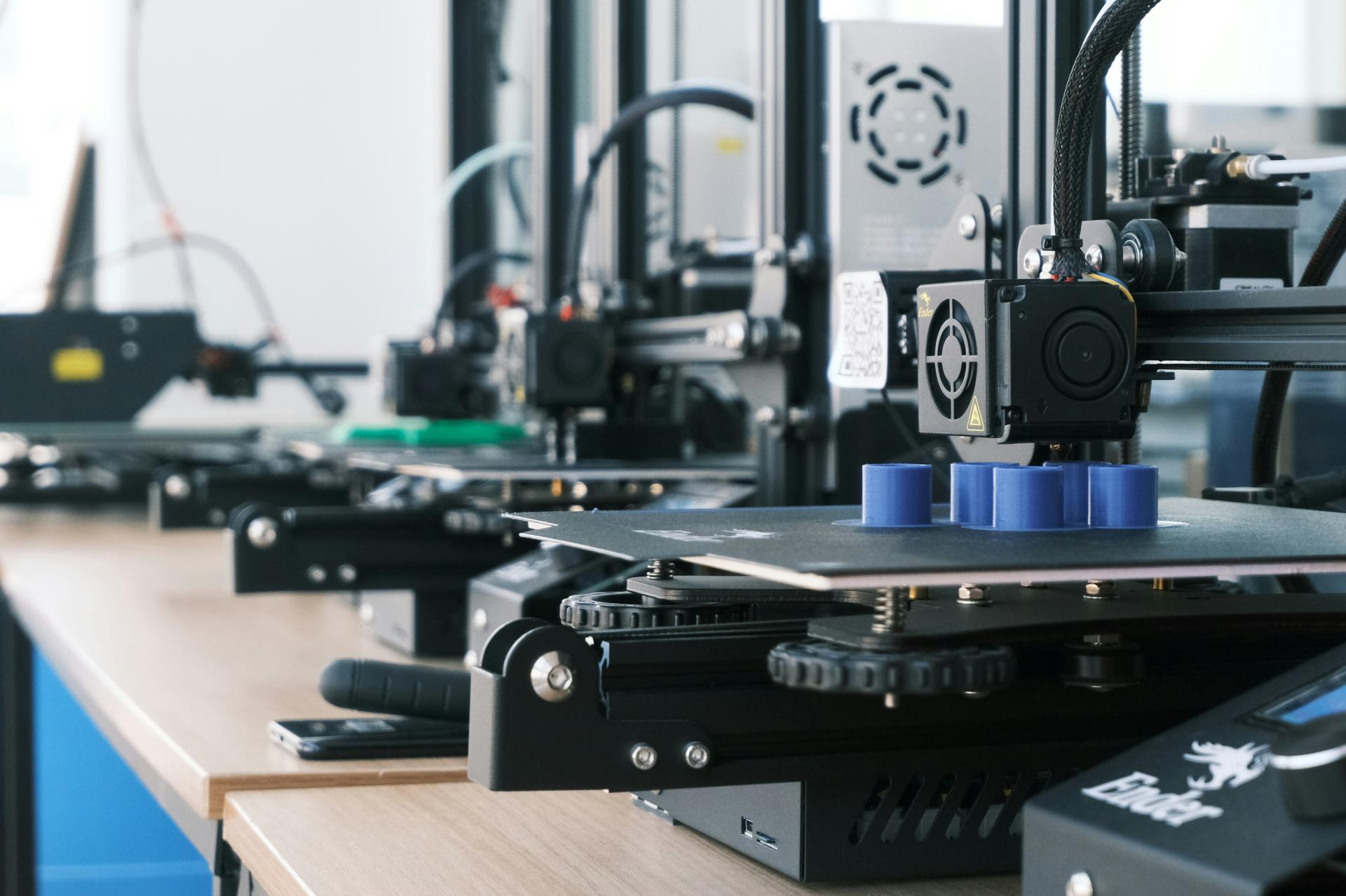
Before buying any machine, find out where the consumables come from and what they cost landed. A printer with a proprietary nozzle, a laser with an unusual tube size, a saw with a non-standard blade arbor — each of these turns an ordinary maintenance job into a two-month import.
We have declined better machines on this basis alone and never regretted it.
Voltage and power quality
Check the input specification against what actually arrives at your wall, not what is supposed to. Equipment rated for stable 220V does not always survive local supply. Voltage stabilisers and a proper earth are not accessories.
Buy in person where you can
For anything significant, see it running before money changes hands. Power it up. Listen to it. If a seller will not demonstrate a machine, that is the answer.
Ask us
We keep informal notes on suppliers who have been reliable and ones who have not. If you are buying for a space or a workshop, get in touch — we would rather share what we know than watch someone repeat an expensive mistake.